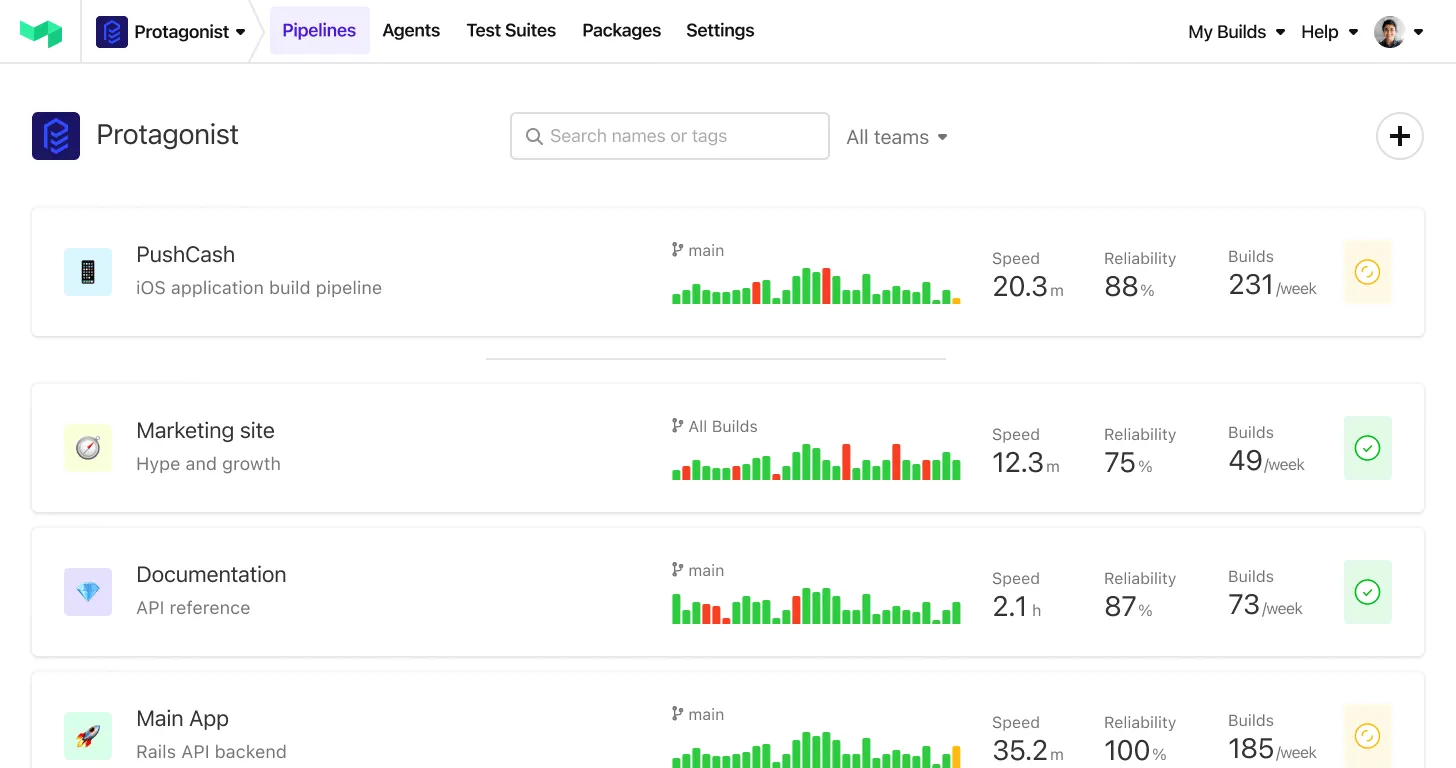
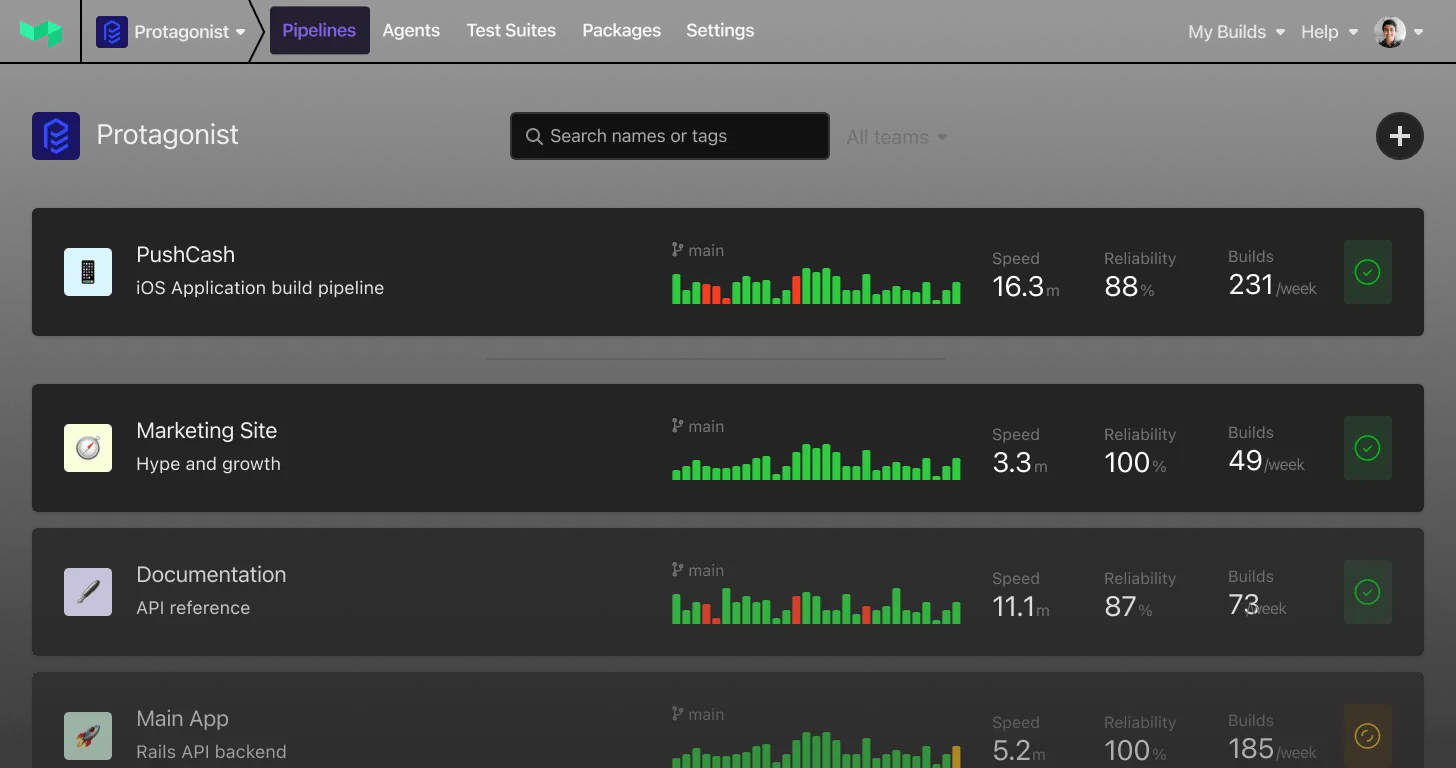
Software development has changed. Teams now push code multiple times a day, users want new features constantly, and any downtime costs money. But here's the problem: how do you move quickly without breaking things?
Automation is the answer. CI/CD pipelines, to be specific. These automated workflows take your code from commit to production safely, reliably, and quickly. This guide breaks down what CI/CD pipelines are, why they matter, and how they change the way teams ship software.
Understanding CI/CD: The Basics
What is Continuous Integration?
Continuous Integration (CI) automatically integrates code changes from multiple developers into a shared repository frequently, often many times per day. Each integration gets verified by an automated build and test suite, giving teams immediate feedback.
CI solves "integration hell." That's when developers work in isolation for weeks, then try to merge everything at once, which results in days of debugging conflicts and broken builds.
CI depends on three key practices: frequent commits (integrating work into the main branch at least daily), automated testing (every commit triggers tests that verify the code works), and quick feedback (developers learn within minutes whether their changes caused problems).
What is Continuous Delivery/Deployment?
Continuous Delivery/Deployment (CD) extends automation to deployment. Continuous Delivery means your code stays in a deployable state. Every change that passes automated tests can be released to production at the push of a button. Continuous Deployment goes one step further: every change that passes the pipeline gets automatically deployed to production.
Both depend on the deployment pipeline concept: automated stages that progressively validate code changes. Deploying smaller changes more frequently reduces risk, gets features to market faster, and improves quality through consistent processes.
What is a CI/CD Pipeline?
A CI/CD pipeline is an automated workflow that takes source code through building, testing, and deploying stages to deliver changes safely and efficiently.
Pipeline Components
Pipelines include source control integration (monitoring Git repositories for changes), a build stage (compiling code and creating artifacts), a test stage (running unit, integration, and end-to-end tests), a deployment stage (pushing validated code to target environments), and monitoring and feedback loops (tracking deployments and surfacing issues).
How Pipelines Work
Pipelines trigger through commits, pull requests, schedules, or manual actions. They can execute sequentially or in parallel, with parallel execution dramatically reducing pipeline time. Artifacts (built binaries, test reports, deployment packages) flow between stages.
Code progresses through environments: development catches obvious issues, staging mirrors production for configuration and performance testing, and only after passing all gates does code reach production.
Benefits of CI/CD Pipelines
For Development Teams
CI/CD pipelines deliver quicker feedback cycles (developers learn within minutes whether changes work), less manual work (no more repetitive builds and deployments), improved code quality (consistent testing catches bugs early), and better collaboration (frequent integration prevents teams from drifting apart).
For Organizations
Business benefits include getting to market faster, lower deployment risk (smaller, more frequent changes are easier to diagnose and fix), increased deployment frequency (some Buildkite customers deploy hundreds of times per day), and better resource utilization (teams spend time on valuable work instead of toil).
How Buildkite Approaches Pipelines
Buildkite's Architecture
Buildkite uses a hybrid CI model separating orchestration from execution. Our cloud service coordinates pipelines, but the actual work happens on your infrastructure using Buildkite agents. These are lightweight programs you run wherever makes sense. Your code, credentials, and artifacts never leave your infrastructure unless you explicitly send them somewhere.
Key Features and Advantages
Buildkite offers flexible pipeline definitions with complex workflows, parallel execution for speed with enforced dependencies, dynamic pipeline generation that adapts to changes, and container and Kubernetes support.
Key advantages include infrastructure control (run agents anywhere on your chosen hardware), scalability without vendor lock-in (scale by spinning up more agents), quick builds with local caching (everything stays on the same machine), and smooth integration with existing tools (agents run in your environment with access to your systems).
Best Practices for CI/CD Pipelines
Pipeline Design
Keep pipelines quick and focused. Every minute is time developers wait. Apply the fail-fast principle by running likely-to-fail, quick checks first. Implement appropriate test coverage at each stage (extensive unit tests on every commit, selective integration tests on pull requests, expensive end-to-end tests before production). Make sure you have clear visibility and logging for straightforward debugging.
Security Considerations
Never hardcode credentials. Use secure secret stores. Implement access controls and deployment approval gates. Sign and verify artifacts to prevent tampering. Know your compliance requirements and implement them consistently in your pipeline.
Maintenance and Optimization
Conduct regular pipeline audits to remove unused steps and unnecessary complexity. Monitor performance to identify bottlenecks. Keep a continuous improvement mindset. Always ask "how can this be better?"
Getting Started with CI/CD Pipelines
Start small and iterate:
- Choose your CI/CD platform based on your requirements
- Define basic pipeline stages: build, test, deploy
- Automate your tests, starting with critical path tests
- Set up deployment automation in non-production first
- Monitor and iterate based on team feedback
The Buildkite documentation provides a guide for you to get started.
Conclusion
CI/CD pipelines have gone from competitive advantage to basic requirement. They automate the path from code commit to production, reduce manual work, provide quick feedback, and catch issues early when they're cheapest to fix.
The impact is major: teams ship faster without sacrificing quality, developers spend more time building, and organizations respond to market changes with agility. Start small. Pick one project, automate one workflow, and build from there. If you have CI/CD that's not working well, invest in improving it.